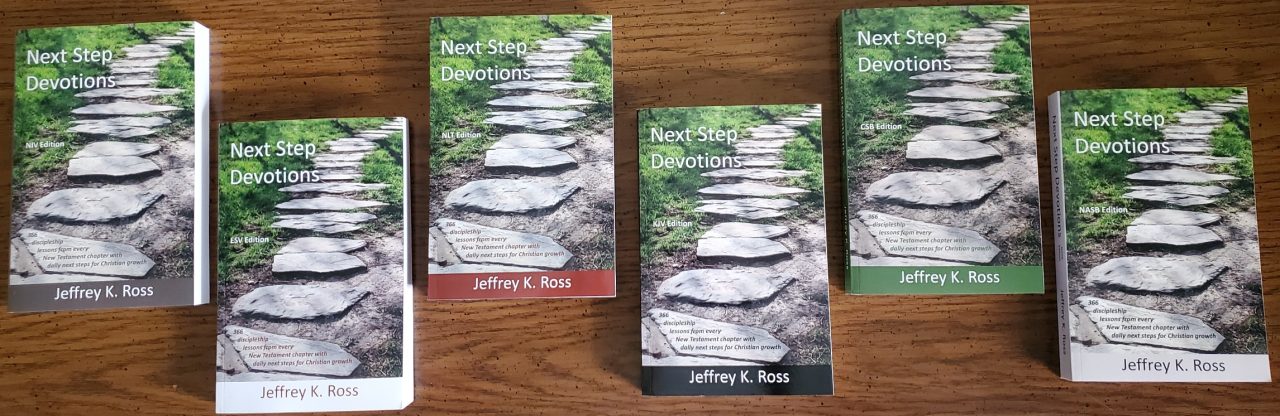
(The following is the October 10 devotional from my Next Step Devotions book. Before reading it, I suggest you read Titus 1 and pay close attention to verses 5-9.)
While most of the elder qualifications in 1 Timothy 3:1-7 and Titus 1 relate to one’s character, some are functional. For example, the ability to teach is common to both letters and is vital to an elder’s ministry “so that he will be able both to encourage with sound teaching and refute those who contradict it” (v. 9).
Consider the importance of these two functions:
- “Encourage with sound teaching.” Individuals and churches must know what they believe and why. Lack of clarity in doctrine yields confusion and uncertainty. On the contrary, sound teaching helps unite the diverse members of Christ’s body around scriptural truth, confronts the lost with the true gospel, and provides direction on how to live as believers.
- “Refute those who contradict it.” False teaching can creep into our lives and churches from various sources. Those who spread it may be malicious and intentional about it, or they may be repeating false teaching they heard elsewhere, unaware of its conflict with Scripture. Those more knowledgeable in the Word must confront false teaching with scriptural truth. This function need not be limited only to official elders, but those in positions of spiritual leadership must be able to perform this duty.
Doctrine matters. Having godly leaders capable of teaching biblical truth and refuting falsehood is critical to a healthy church.
Next Step:
From whom have you learned sound biblical teaching, and what impact has that had on you? Thank God for these teachers and encourage them in their work. How do you ensure continuous growth in your understanding of God’s Word, especially if you teach others?
