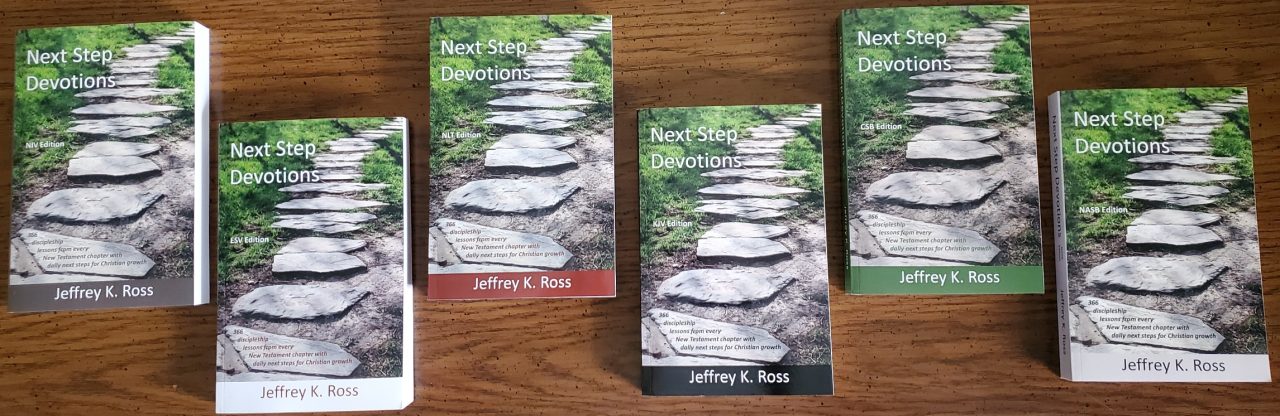
(The following is the October 12 devotional from my Next Step Devotions book. Before reading it, I suggest you read Titus 3 and pay close attention to verses 8-11.)

Paul ends his letter to Titus with instructions that, at first glance, seem unrelated to each other: “I want you to insist on these things so that those who have believed God might be careful to devote themselves to good works. These are good and profitable for everyone. But avoid foolish debates, genealogies, quarrels, and disputes about the law, because they are unprofitable and worthless. Reject a divisive person after a first and second warning. For you know that such a person has gone astray and is sinning; he is self-condemned” (vv. 8-11).
Paul begins by encouraging good works but transitions to warning against foolish debates. While different subjects, Paul connects them through their consequences: good works are “profitable for everyone” (v. 8), but foolish debates are “unprofitable and worthless” (v. 9).
Everyone has 24 hours per day. If we can’t accomplish all we might wish, we must choose how to spend our time. Why waste time on unprofitable and worthless – even harmful – activities? We should regard the time God grants us as a limited opportunity to do good in response to what he has done for us. How much good can we do on a typical day if we pray about, prepare for, and perform works that glorify God and serve others? Why would we trade these for unproductive endeavors, especially any that may harm people or relationships? Every minute we quarrel is a minute we fail to do good works as God commands. We never get that time back.
Paul warned Titus to avoid people who refuse godly correction and insist on wasting time on harmful pursuits. May we exercise wisdom in how we spend our time and respond to others’ use of it.
Next Step:
List several good works you might do for others. Try to accomplish as many as possible over the coming weeks. Afterward, reflect on the value of that time spent compared to your previous typical weeks.
